For most New York City drivers, parking has never been about memorizing rules. It is something you learn by doing. You figure out which blocks usually turn over, which signs matter in practice, and which spaces sit in a gray area where enforcement feels inconsistent. Over time, those observations turn into habits, and those habits become the way you move through the city with a car.
Corner parking sits squarely inside that system. It feels efficient and visible. It often feels like the last workable option when mid-block spaces are gone. For years, many drivers have treated those spots as usable, even if they understood they came with slightly more risk.
The City’s move toward universal daylighting directly challenges that assumption. Not because it introduces a new idea, but because it redefines how curb space near intersections is intended to be used. Once that definition changes, familiar parking habits can quickly become liabilities.
What “Daylighting” Actually Means in New York City
Daylighting is a street-design practice intended to improve visibility at intersections. In practical terms, it means clearing space near crosswalks so drivers and pedestrians can see each other sooner and with less obstruction.
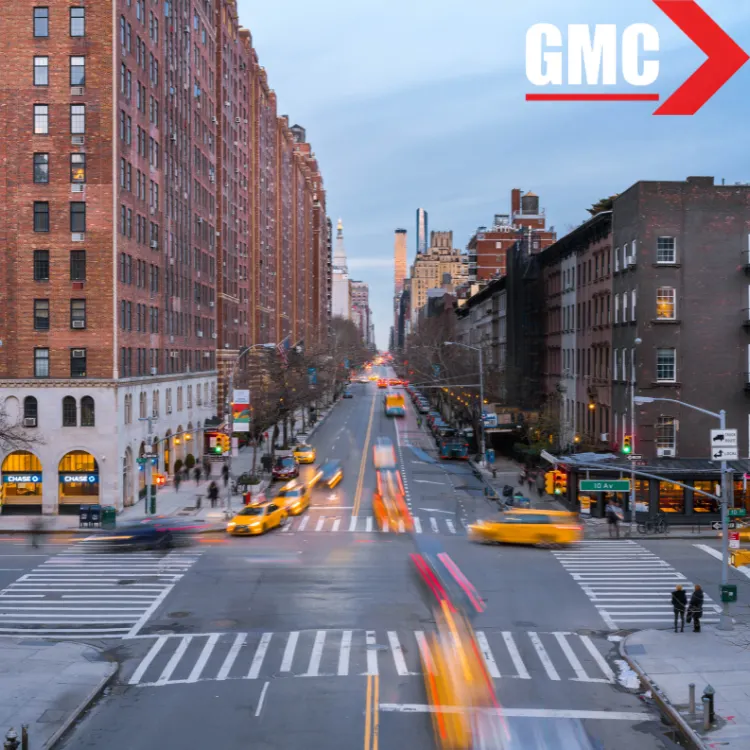
Under the New York City Council’s proposed universal daylighting legislation, vehicles would no longer be allowed to stand or park within roughly twenty feet of a crosswalk at intersections, including unmarked crosswalks. Twenty feet is approximately the length of a single vehicle. On many NYC blocks, that distance represents one or two parking spaces closest to the corner.
Those spaces are not incidental. They are often the easiest to access and the ones drivers rely on when parking availability is tight. Removing them does more than reduce capacity at the corner. It alters how the entire block functions by increasing competition for remaining spaces and reducing flexibility.
Importantly, this approach is not limited to new signage. The City has indicated that daylighting would be reinforced through physical street treatments such as curb extensions, planters, bollards, or similar infrastructure. The goal is to make corner clearance a built condition, not a suggestion.
Why the City is Pushing This Now
Supporters of universal daylighting point to a problem that does not require theoretical understanding. At many intersections, parked vehicles block sightlines just enough to create uncertainty. Pedestrians step forward to see around the bumpers. Drivers enter crosswalks to check for pedestrians entering the street. These moments of hesitation are where serious crashes often occur.
Clearing that space improves visibility on both sides. Drivers can see pedestrians earlier. Pedestrians can better judge whether a turning vehicle is slowing or continuing through the intersection. From a safety standpoint, the objective is not perfection, but fewer moments where everyone is guessing at once.
Supporters also emphasize that this is not an experimental standard. New York State already has intersection clearance rules on the books. New York City has historically operated under an exemption, largely because curb space has long been considered scarce and politically sensitive. Universal daylighting represents a shift away from that accommodation toward a consistent safety standard.
Why the Opposition is More Complex than it Appears
While the safety rationale for universal daylighting is straightforward, the opposition is not simply resistance to change. Much of the pushback centers on scale, street behavior, and how policy translates into daily reality, particularly in neighborhoods where curb space is already stretched thin.
From an operational standpoint, opponents tend to focus on several interconnected concerns.
- Curb capacity loss at scale:Removing one or two spaces per corner sounds modest in isolation, but across tens of thousands of intersections, it becomes a structural reduction in parking supply. In neighborhoods already operating at saturation, even small losses force immediate behavioral changes.
- Behavioral spillover effects:When legal spaces disappear, drivers circle longer, double-parking increases, and marginal decisions become more common. These behaviors are not the result of carelessness, but of fewer workable options.
- Enforcement concentration:As violations cluster into fewer remaining areas, enforcement becomes easier and more consistent. What once felt like a gray area quickly turns into a repeatable ticket pattern.
- Design versus prohibition:Clearing a corner improves visibility, but visibility alone does not control speed. Without physical changes such as curb extensions or hardened corners, turning paths can widen, allowing faster turns that undermine safety goals. This distinction matters because it separates thoughtful street design from simple parking restrictions.
Taken together, these concerns explain why the debate is not just about whether daylighting improves safety, but about how it is implemented and what trade-offs it creates for everyday drivers.
What this Means for Drivers Who Rely on Street Parking
Street parking in NYC has always involved informal pattern recognition. Drivers learn which blocks usually turn over, which corners are tolerated, and which areas rarely see enforcement. Universal daylighting disrupts that informal system.
Corner spaces stop being situational and start being predictably risky. Even before enforcement fully expands, drivers lose confidence in spots they once relied on. That loss of confidence matters more than the raw number of spaces removed.
The real cost is uncertainty. Uncertainty leads to longer searches, more stress, and eventually more tickets. Once drivers stop trusting corner parking, the entire street-parking equation changes.
Why More Drivers Turn to Garages and Storage
At a certain point, street parking stops feeling free. It begins charging in other ways: time spent circling, attention spent decoding signs, and money spent on citations when assumptions fail.
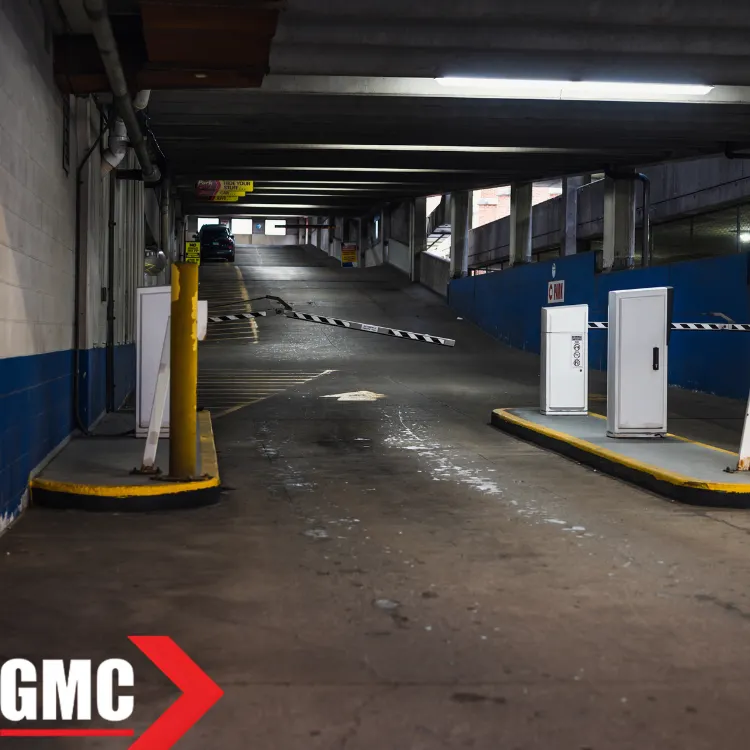
This is where a parking garage NYC option becomes practical rather than indulgent. A garage replaces a series of small decisions with one predictable outcome. You park, you leave, and the street stops dictating your schedule.
For vehicle owners who do not drive every day, the calculation shifts further. Street parking becomes unmanaged storage, exposing the vehicle to rule changes, weather damage, street wear, and constant move-the-car requirements. As curb policies tighten, that approach becomes harder to justify.
That is why car storage in NYC has become an increasingly practical solution for owners who want to keep a vehicle in the city without parking it on the street.
The Direction is Clear, Even if the Details Evolve
Whether universal daylighting is implemented exactly as proposed, revised, or phased in over time, the direction of policy is clear. New York City is prioritizing visibility, pedestrian safety, and curb function over long-standing parking habits.
Corner parking is being reconsidered first because it sits at the intersection of safety and storage. Drivers who adjust early tend to lose less time, fewer weekends, and fewer dollars to parking friction.
At GMC Parking, we closely monitor these changes because they affect how people move through the city by car. Our role is not to dictate which policies should be implemented, but to provide reliable off-street options when the curb becomes less predictable.
If your routine depends on corner availability, it is worth reassessing now. And if you are tired of recalibrating every time the City redraws the curb, choosing a garage or long-term storage option is not a sign of giving up. It is responding realistically to how New York works.